When discussing planning architectures with customers, one question comes up for sure. Where should business logic live?
Should calculations be implemented in SAP Analytics Cloud (SAC) in Data Actions or in SAP Datasphere?
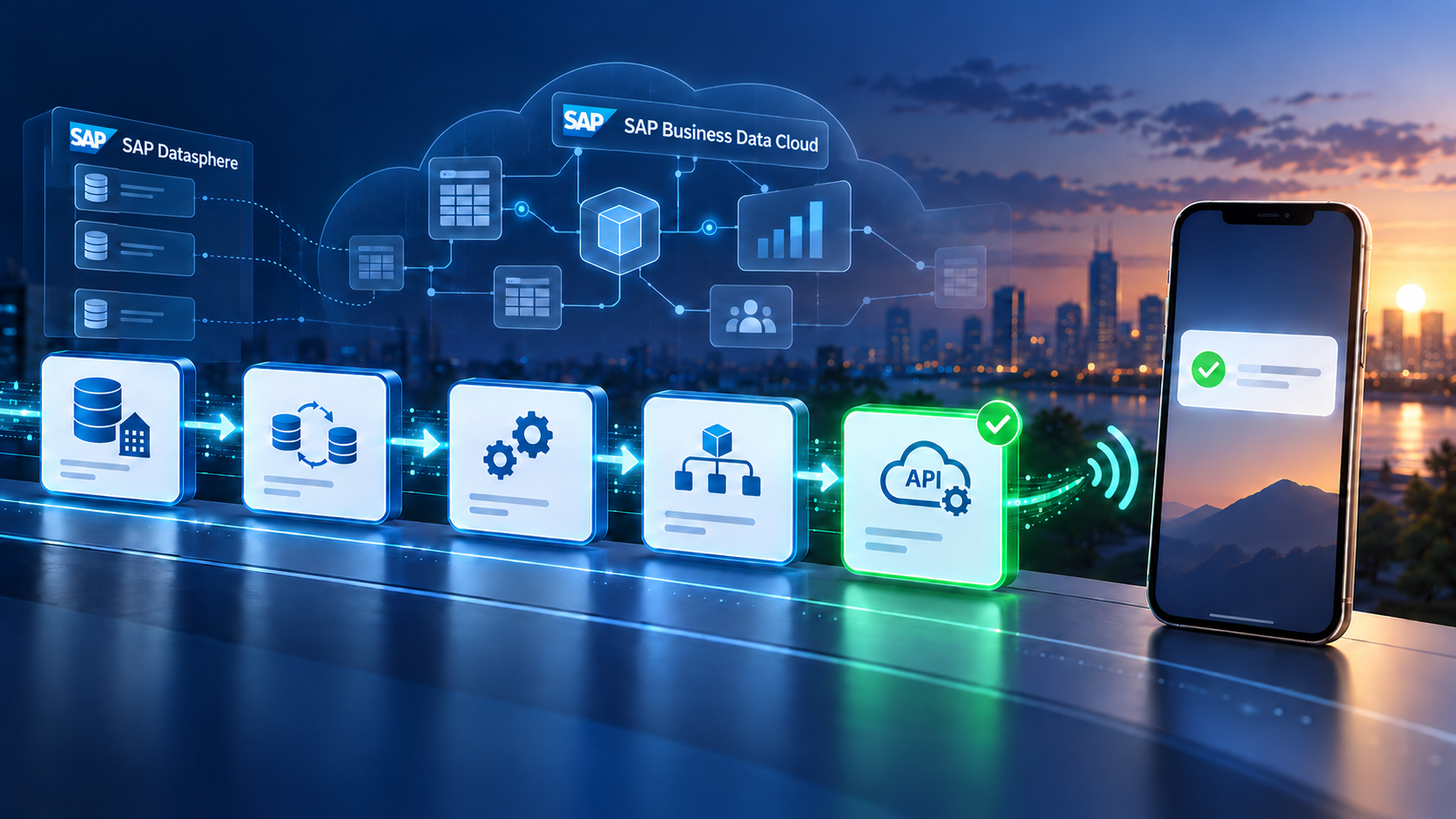
To make these architectural decisions tangible, we use ZOCCER26, a World Cup prediction game running on SAP Business Data Cloud and Seamless Planning.
At first glance, a prediction game may seem far from enterprise planning. In reality, it provides an excellent framework for demonstrating the same concepts we encounter in financial planning, sales forecasting, workforce planning and performance management.
A Simple Business Scenario
Participants predict the outcome of World Cup matches. After the actual result becomes available, points are awarded according to the following rules:
- 4 points: Perfect prediction (correct winner and exact score)
- 3 points: Correct goal difference (excluding draws)
- 2 points: Correct trend (correct winner or correctly predicted draw)
For example:
| Prediction | Actual Result | Points |
|---|---|---|
| Germany 2:1 Brazil | Germany 2:1 Brazil | 4 |
| Germany 2:1 Brazil | Germany 3:2 Brazil | 3 |
| Germany 2:1 Brazil | Germany 1:0 Brazil | 2 |
| Germany 2:1 Brazil | Brazil 2:1 Germany | 0 |
While the scoring rules are easy to understand, they represent exactly the type of business logic found in planning applications: evaluating inputs, applying rules, calculating KPIs, and updating aggregated results.
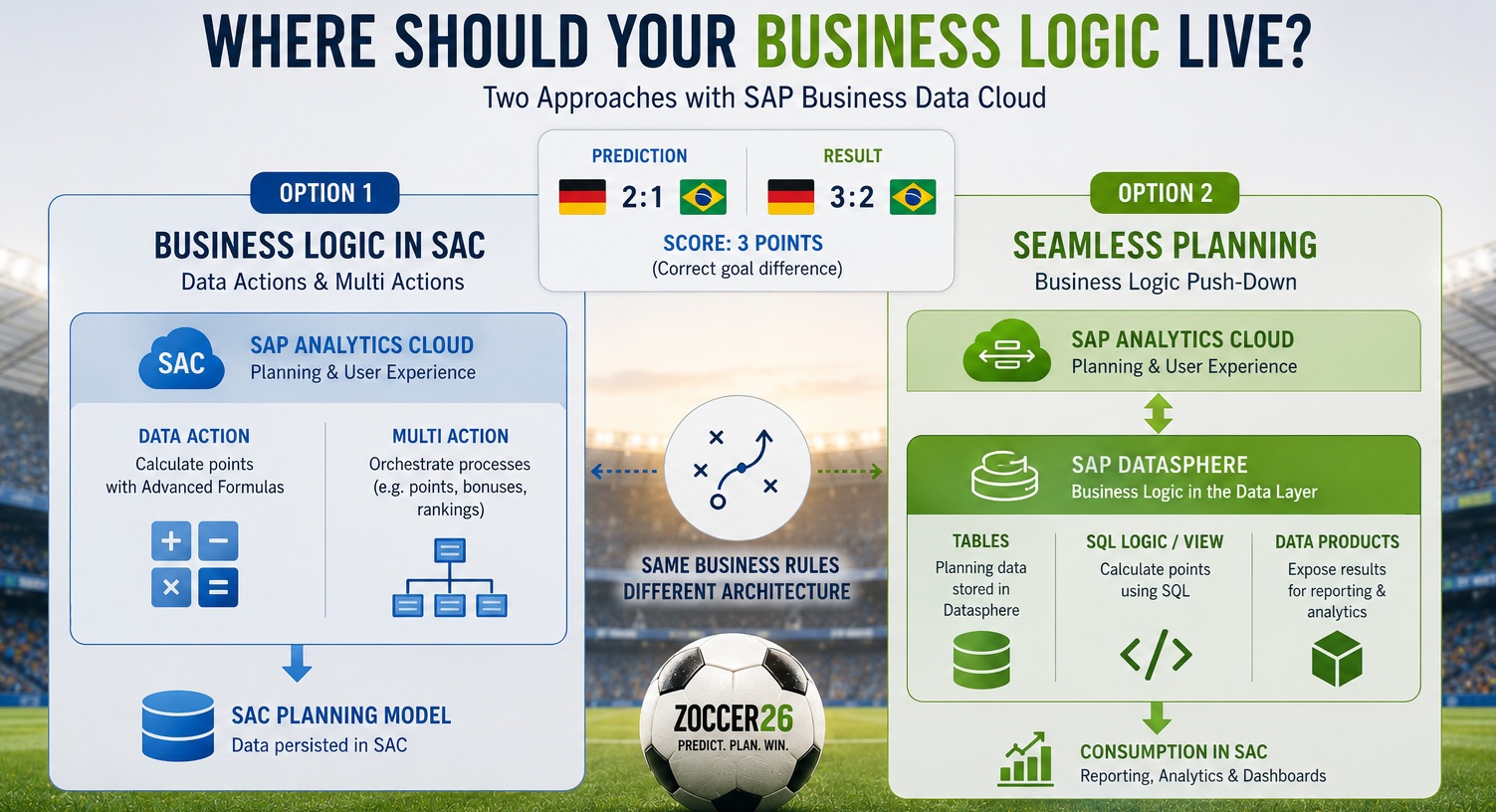
Option 1: Business Logic in SAP Analytics Cloud Data Actions
The most straightforward implementation places all scoring rules directly inside SAC Data Actions using Advanced Formulas.
Architecture:
SAC Story
   ↓
Data Action
   ↓
Planning Model
Advantages:
- Fast implementation
- Easy for business users to understand
- No additional platform components required
Challenges:
- Logic becomes difficult to maintain as complexity grows
- Limited reusability
- Performance may decrease with larger datasets
This approach is often suitable for prototypes or smaller planning applications. This option also makes sense from a skills perspective: no Datasphere expertise is required beyond your existing SAC resources.
Option 2: Seamless Planning and Logic Pushdown
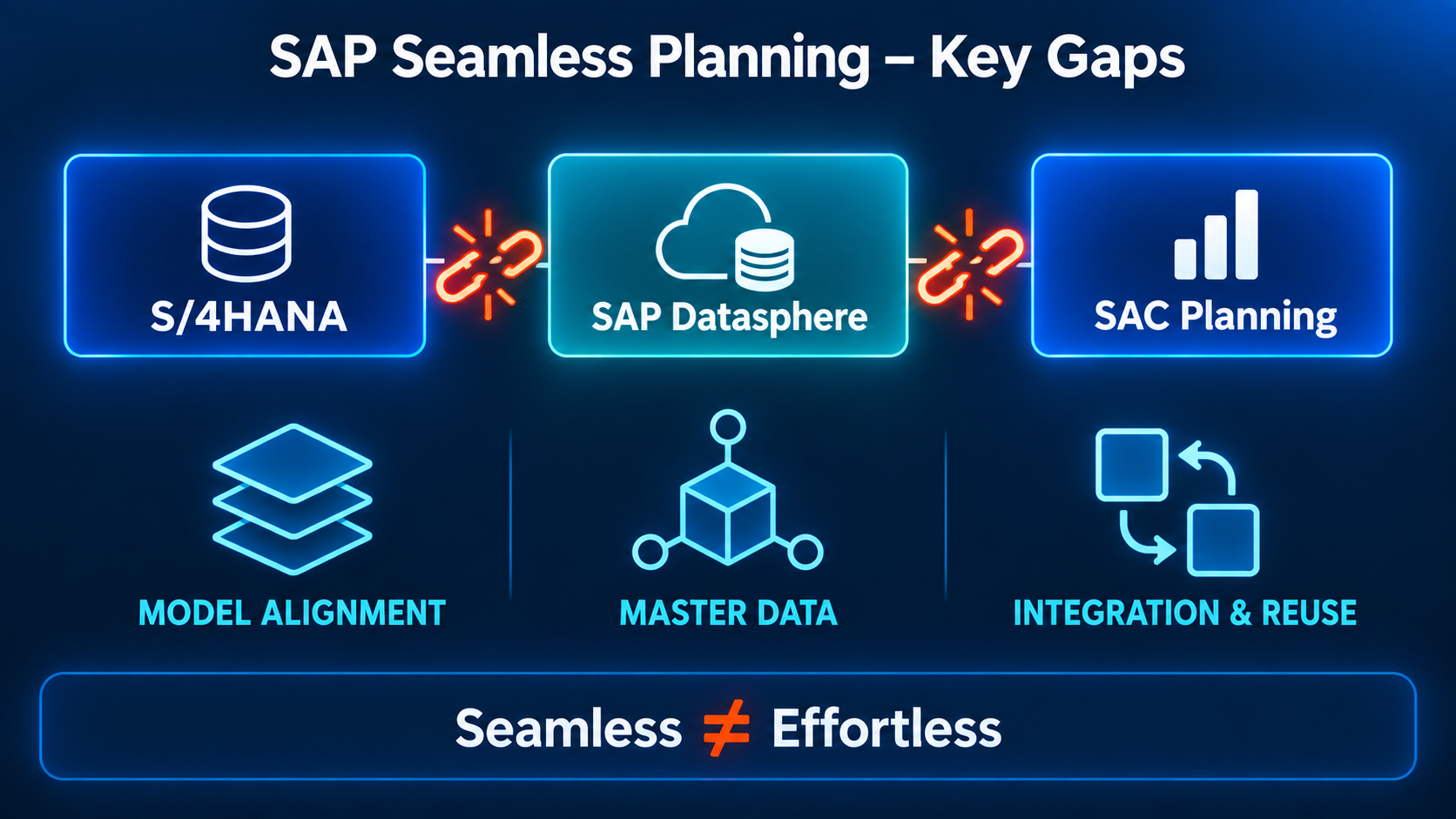
This is where SAP Business Data Cloud becomes particularly interesting. With Seamless Planning you have a new option as the data for a seamless planning scenario is not stored inside SAC, but directly in Datasphere.
The planning modeling and also the frontend still is SAC. The data resides where it logically belongs. Alongside actuals and reference data.
Architecture:
SAC Story
      ↓
Seamless Planning Model
      ↓
Datasphere Tables with Plan Data
      ↓
Business Logic Layer inside Datasphere
      ↓
Reporting & Analytics with SAC via Analytical model
The user enters a prediction in SAC. The score calculation happens directly on the Datasphere layer. The ranking is updated immediately.
Advantages:
- You can use anything available in Datasphere (data and also technology options)
- Great Performance
Challenges:
- You need a Datasphere tenant
- You need Datasphere Know How additionally to SAC Know How
We decided to implement option 2 in our project.
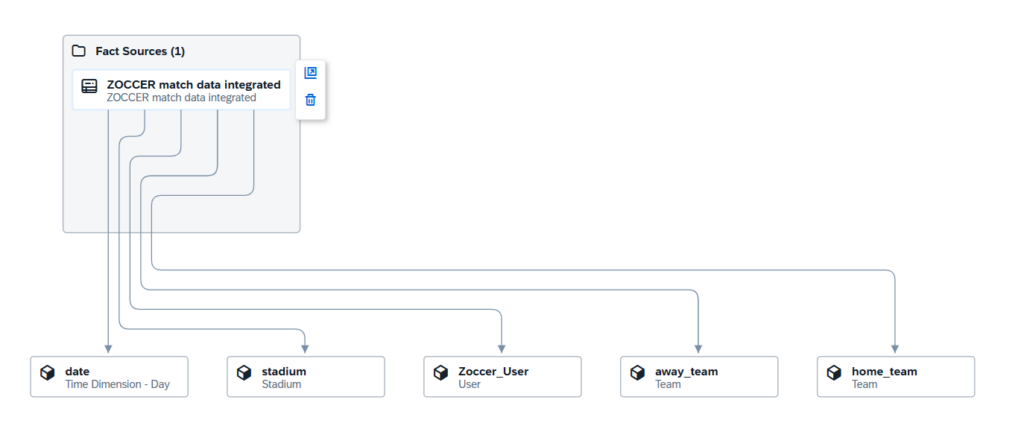
We implemented an analytical model where we bring all necessary information together. The match results are provided via a live score API. The user information is maintained by us manually once.
The Planning Model can be recognized by the Prefix sap.sac.*
As you see, we can use it directly in Datasphere, which is actually the core feature of seamless planning from my point of view.

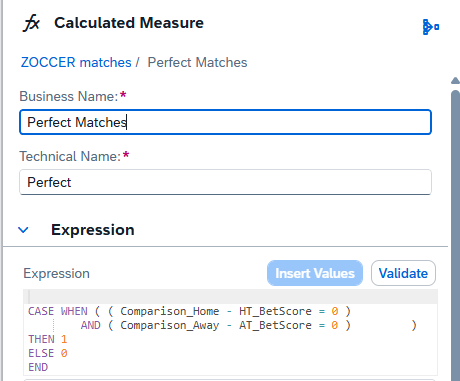
A small example on how a perfect bet is scored, see the following calculated measure. Later on, this calculated measure is used to feed another measure which does the multiplication by 4 in order the score the perfect match with 4 points. What we achieve is an up to date ranking anytime without starting a data action or a process. As soon as a match ends, the score board is up to date.
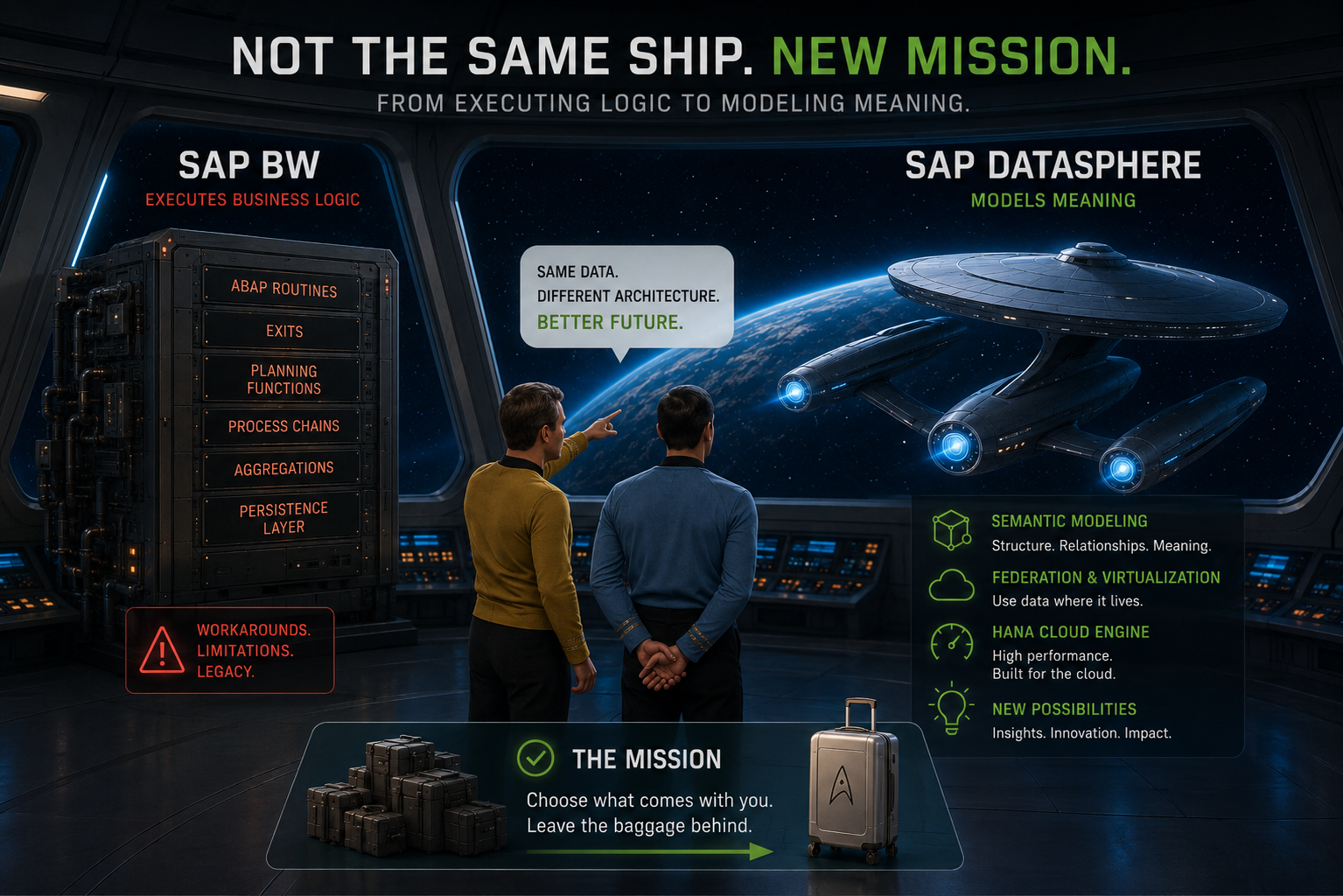
The good old days
Some readers may approach this topic from the perspective of SAP Business Warehouse Integrated Planning (BW-IP). For some years, there has been an ongoing debate about whether SAP Analytics Cloud Planning can fully address the sophisticated planning requirements that were traditionally implemented in BW-IP. With the introduction of Seamless Planning, this discussion is evolving. By bringing SAP Datasphere into the planning architecture, the scope extends far beyond SAC alone, providing new possibilities for modeling, data integration, and business logic execution as discussed in this blog.
Conclusion
The real lesson is understanding where business logic belongs in a modern planning architecture. Should it be implemented in SAP Analytics Cloud in Data Actions or in SAP Datasphere.
ZOCCER26 provides a simple and engaging way to explore these architectural choices and to demonstrate how SAP Business Data Cloud and Seamless Planning enable a new generation of integrated planning solutions.